 放大圖片 放大圖片
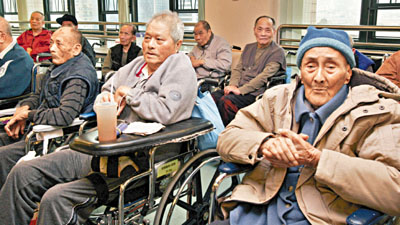
■港府計劃推行為期4年的「長者社區照顧服務券」試驗計劃,推動社區照顧服務發展。資料圖片
Regulatory system is needed for community care service voucher for the elderly
港府計劃推行為期4年的「長者社區照顧服務券」試驗計劃,每名受助長者每月可獲5,000元的服務券,但須視乎其家庭收入狀況,自行承擔當中500元至2,500元不等的金額。計劃透過「錢跟老人走」的概念,讓有需要的長者可選擇接受上門家居服務及日間護理服務,並藉此推動社區照顧服務的發展,值得肯定。不過,每月每人資助額約5,000元,是一筆不小的數額。因此,政府須制定一套質素監管保證機制,既確保服務質素,又避免資助長者的公帑白白送入缺乏質素的承辦機構。
目前私營安老院質素參差,但社區照顧服務包括護理、送飯、陪診等供應不足,造成輪候時間過長,致令不少長者寧願長期輪候有質素的津助院舍。「長者社區照顧服務券」四年試驗計劃直接資助有長期護理需要的長者選用多元化服務。長者不能單靠看廣告選擇服務,因為在服務質素缺乏監管之下,只會重蹈私營安老院服務質素參差的覆轍,長者仍會繼續輪候津助院舍。因此,當局應設立完善監管制度監察承辦機構,以及設立諮詢架構持續檢討政策方向。
The HKSAR government plans to run the 'Community Care Service Voucher for the Elderly' pilot scheme for a period of four years. Under the scheme, each eligible elderly person will receive cash vouchers of HK$5,000 a month but depending on his or her household income, has to pay HK$500 to HK$2,500 of the charges for the services used. Implementing the concept of "money following the user", the scheme allows needy elderly people to choose from home-based care and day care services, and in this way the development of community care service can be fostered. The idea is worth supporting. However, a subsidy of HK$5,000 a month for each recipient is not a small amount. Therefore, the government should design a quality control and assurance mechanism to ensure the quality of the services as well as to avoid public fund used for subsidizing the elderly being drained into the pockets of those substandard service providers.
At present, private homes for the elderly vary greatly in quality. The provision of community care services such as healthcare, meal delivery, out-patient escort and many others cannot meet the demand, resulting in an excessively long waiting list. Under the circumstances, many elderly people resort to queuing up for a really long time to get a place in a subvented residential home of a better quality. The four-year pilot scheme of community care service voucher gives direct subsidy to those elderly people with long-term healthcare needs and allows them to choose from a diversity of services. However, since the quality of the service providers is not regulated, the elderly people cannot solely rely on the advertisements in choosing a service or else they may simply once again fall victim to substandard services just like in the case of privately-run elderly homes. This happening, the elderly people may in the end prefer to remain in the long queue for a place in a subvented residential home. The authorities should therefore set up a sound regulatory system to monitor the service providers and should establish a consultation framework to continuously review the direction of the policy.
■Translation by 東明 tungming23@gmail.com
逢周五見報
|




 放大圖片
放大圖片



