 放大圖片 放大圖片
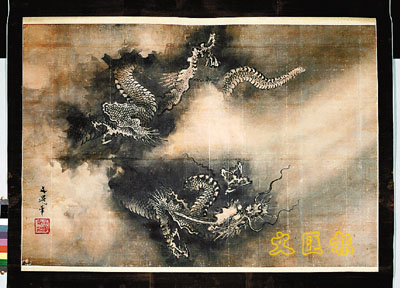
谷文晁
Tani Buncho(1763-1840)
約1820年代 江戶時期 日本
c.1820s, Edo Period Literati School, Japan
水墨紙本掛軸
Hanging scroll; ink on paper
ed1211b1.jpg
古代的中國人相信,龍能吞雲聚水降雨,被視為「陽」的幻化。雲也被視為是一種「氣」,乃宇宙最本質的力量。中國與日本,龍一直是水墨書中常見的題材,南宋的畫家陳容(1127-1279年)以畫龍著稱;日本的谷文晁(1763-1840年)兼收並蓄、影響深遠,他活躍於18世紀末至19世紀初的江戶,精通中日不同流派畫風。
In ancient Chinese beliefs, dragon are associated with clouds and water and are thought to control the rain. They are seen as ever-changing manifestations of the yang (active) principle. Clouds are also seen as an embodiment of qi, the vital force of the cosmos. Dragons have been frequently portrayed by ink-painters in both China and Japan, famously by 13th century Chinese painter Chen Rong. Tani Buncho was a highly eclectic and influential painter working in Edo in the late 18th and early 19th centuries, who mastered a wide variety of historical painting styles from China and Japan.
■大英博物館館藏
|


 放大圖片
放大圖片


