
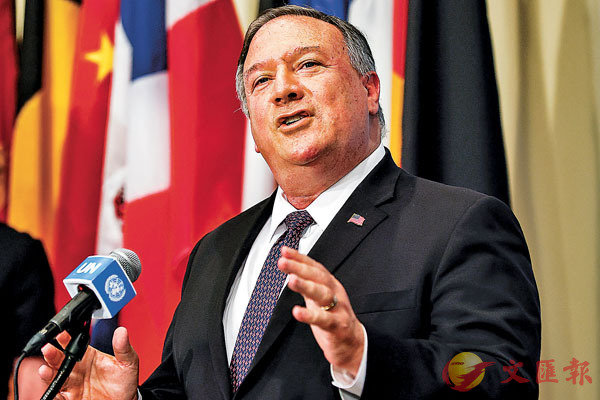
 ■美國國務卿蓬佩奧
【原文】下文摘錄自香港《文匯報》8月27日報道:
美國早前在聯合國安理會(U.N. Security Council)要求延長對伊朗(Iran)的武器禁運令(arms embargo)不果,美方於是要求啟動伊朗核協議(Iran nuclear deal)內的「制裁(sanction)回彈」機制,以恢復制裁伊朗,不過美國的計劃最終失敗。
安理會輪值主席賈尼(Dian Triansyah Djani)明確宣布,不會就美方的要求採取行動,多個安理會成員國均表示,美國兩年前已退出伊朗核協議,現時提出「制裁回彈」根本不合理。
聯合國對伊朗的武器禁運令將於10月18日到期,絕大部分安理會成員國均不支持延長,美國國務卿(U.S. Secretary of State)蓬佩奧(Mike Pompeo)早前啟動伊朗核協議的「制裁回彈」機制,指出伊朗違反伊核協議內容,要求恢復所有國際制裁。不過安理會15個成員國中,除多米尼加共和國(Dominican Republic)外,其餘所有成員國都去信安理會主席,表明美國的行動不合法,原因是美國總統特朗普(Donald Trump)早在2018年已宣布退出伊朗核協議。
擔任安理會輪值主席的印尼(Indonesia)常駐聯合國代表賈尼表示,與各成員國接觸,並收到多個成員國的信件後,他清楚了解到,只有一個國家對制裁伊朗問題持特定立場,其他大部分成員國則持相反立場,由於安理會內沒有共識(consensus),故他身為主席不會採取進一步行動。
按照美國原本的劇本,在蓬佩奧通知安理會美方將啟動對伊朗「制裁回彈」機制後,安理會其餘成員國將以決議(resolution)形式駁回美國的提議,這樣華府(Washington, D.C.)便可利用常任理事國(permanent member)的否決權(veto power),否決這項決議,從而在提出通知的30天後恢復對伊朗制裁。不過由於賈尼連決議案也未提出便「落閘」,意味美國的如意算盤無法打響。
美國常駐聯合國代表克拉夫特(Kelly Craft )指出,美國絕不會容許全球最大恐怖主義(terrorism)輸出國自由購買武器,特朗普政府無懼被孤立,並指安理會其他成員國「失去方向、與恐怖分子站在同一陣線」,對此表示遺憾。
伊朗外長(Foreign Minister)扎里夫(Mohammad Javad Zarif)在twitter回應事件,指蓬佩奧「毫無法理地霸凌(bullying),令美國再次被孤立」。中國常駐聯合國代表張軍(Zhang Jun)重申,反對美國啟動「制裁回彈」,由於美方已喪失協議參與方資格,要求恢復對伊制裁於法無據、於理不通,中方亦願與各方聯手、繼續推動以政治途徑解決伊朗核問題。俄羅斯則讚揚安理會主席決定是「慎重的(prudent)一步」,整個安理會亦認同,首要工作是保護伊朗核協議。
由於下月(9月)安理會輪任主席將由非洲國家尼日爾(Niger)的常駐聯合國代表接任,外交界估計,美國屆時可能會向尼日爾施壓,以求實施「制裁回彈」機制;不過由於尼日爾並非伊朗核協議成員國,該國早前亦聯同南非(South Africa)、突尼斯(Tunisia)等國家發公開信(open letter),指美國「不合資格」啟動機制,因此相信美國的制裁計劃將繼續落空。
UNSC turns down U.S. "script" and refuses to restore sanctions against Iran
【譯文】The U.S. recently failed in its bid to extend arms embargo against Iran in the U.N. Security Council (UNSC) and subsequently requested the launch of the mechanism of "snapback" stated in the Iran nuclear deal to restore sanctions on Iran. However, its move was ultimately rejected by the U.N. The rotating chairman of the UNSC, Dian Triansyah Djani, said that the Council would not take further action on the request of the U.S., and many members of the Council also opposed the move, calling it unreasonable as the U.S. had already withdrawn from the Iran nuclear deal two years ago.
The U.N. arms embargo against Iran was set to expire on 18 October, and most council members did not support an extension. The U.S. Secretary of State Mike Pompeo requested to invoke the "snapback" mechanism of the Iran nuclear deal before, citing significant Iranian violations of the deal and thus demanding for all international sanctions on Iran to be restored. However, among the 15 member states of the Council, except for the Dominican Republic, all the others wrote to the UNSC president, calling the U.S. move illegal for the reason that the U.S. President Donald Trump had already announced its withdrawal from the Iran nuclear deal in 2018.
Dian Triansyah Djani, the rotating chairman of the UNSC and Indonesia's ambassador, said that after consulting and receiving letters from multiple member states, he realized that only one country was in support of the sanctions against Iran and most of the others opposed the move. As no consensus was reached in the UNSC, he as the chairman would not take further action.
According to the original plan of the U.S., after Pompeo notified the UNSC of the U.S. initiative to trigger the "snapback' to restore sanctions against Iran, other Council members would introduce a resolution to reject the proposal, such that the Washington, D.C. would be able to make use of the veto power of permanent members to veto this resolution, thereby resuming sanctions on Iran 30 days after the notification. However, since Djani blocked the proposal even before a resolution was introduced, meaning that the plan of the U.S. would actually backfire.
The U.S. ambassador to the U.N. Kelly Craft said that the country would never allow the world's largest state sponsor of terrorism to freely buy and sell conventional weapons and the Trump administration had no fear of being isolated. She expressed regret that other UNSC member states "have lost their way and now find themselves standing in the company of terrorists".
The Foreign Minister of Iran, Mohammad Javad Zarif, wrote on Twitter that "Pompeo's lawless bullying leaves U.S. isolated again". Zhang Jun, China's permanent representative to the U.N., expressed China's opposition to the snapback as the U.S. was no longer a participant of the Iran nuclear deal and therefore such demand was deemed ineligible and unreasonable. He added that China would work with relevant parties to continue to seek a political solution to the Iranian nuclear issue. Russia called the UNSC president's decision "a prudent step", saying that the entire Council would agree with the paramount need to preserve the Iran nuclear deal.
As the permanent representative of the African country Niger would take over the UNSC presidency next month (Septaembe), the diplomatic community expected that the U.S. might put pressure on Niger in order to invoke the snapback mechanism. Yet, since Niger was not a member state of the Iran nuclear deal and the country had issued an open letter earlier with South Africa, Tunisia and other countries calling the U.S. "ineligible" to trigger the snapback, meaning that the U.S. sanctions plan would continue to fail.■龐嘉儀
Q&A
1. 伊朗核協議(Iran nuclear deal)全稱為什麼?
2. 承上題,該協議原本有哪六個成員國?
3. 承上題,該協議於何時在維也納簽訂?
4. 聯合國安理會有哪五個常任理事國?
Answer
1.伊朗核問題全面協議(Joint Comprehensive Plan of Action, JCPOA)
2.中國、法國、俄羅斯、英國、美國、德國
3.2015年7月14日
4.中國、美國、英國、法國、俄羅斯