
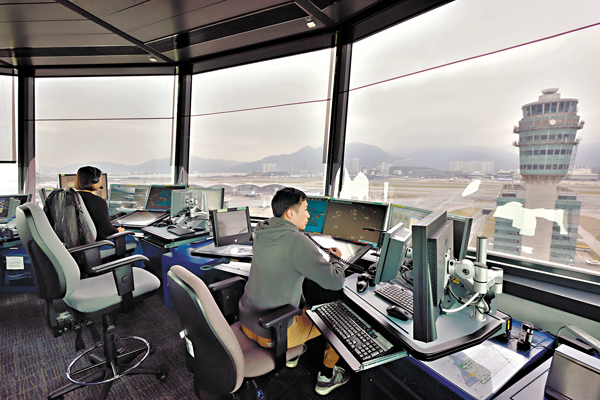
 ■民航處正在處理新航空管理系統。 資料圖片
【原文】機場新空管系統11月14日全面啟用,翌日即有離境航班(outbound flight)於雷達顯示屏消失12秒。民航處召開記者會解釋,指航班「消失」的情況不理想,但不構成安全問題。
美製空管系統頻頻故障
空管系統是航空飛行的大腦,必須安全可靠萬無一失,任何細微的隱患(tiniest malfunction)都要提高十二分警惕。當局必須比照業界最高安全標準,盡快、盡全力(must promptly see to)將空管系統提升至最佳狀態( optimisation),消除公眾疑慮;同時以此為契機,進一步提高民航處監管機制的高效透明。
民航處證實的確曾有航班在雷達顯示屏消失12秒,但強調(reiterated )多種因素均有可能導致以上情況,包括航班上雷達應答機出錯、天線壞了、雷達在接收過程中受到影響,或者受到地勢影響(geographic factors)等等,事件與新空管系統無關。而且飛機間距標準最少是兩分鐘,消失12秒不構成安全問題。
香港機場新空管系統由購買、測試到啟用,其安全性一直受關注。這個名為AutoTrac 3的系統是美國雷神公司2006年發佈的,特區政府2011年批出合約購入,取代(replace)一直沿用的AutoTrac 1。新系統原本擬定於 2012年年底使用,延至2013年安裝新空管系統後,在驗收測試過程中竟爆出多達三百多項的問題缺漏(deficiencies),暗藏許多安全隱患,需要不斷修補(remedies),而作為核心部件之一的飛行數據處理器更一度發生嚴重故障,導致整個空管系統最後出現「死機」現象。
須考慮應急方案
政務司司長林鄭月娥去年10月曾在立法會表示將會嚴肅處理。亦因為如此,新系統啟用的日期拖延日久。上月底,在系統分階段推行計劃期間又曾出現問題(glitches),需由運房局委聘的海外獨立顧問再次確認其安全。
機場舊有的空管系統已運作近20年,隨着航空交通量的增長和將來第三條跑道的發展,更換使用新系統是必須的。香港機場是世界上最繁忙的機場之一(one of the busiest aviation hubs),民航處和有關方面必須以最高安全要求,確保新系統萬無一失,亦應該考慮應急方案(backup plans),保障飛行安全。 (標題及小標題為編輯所加)(摘錄自文匯報社評21-11-2016)
Aviation safety concerns to be addressed
【譯文】An outbound flight disappeared for 12 seconds from radar just a day after the new air traffic control system was fully launched on November 14. The Civil Aviation Department (CAD) explained at a press conference that the disappearance was not ideal, but passenger safety would not be compromised.
ATC system's significance to modern aviation is like the brain's to the human body-it has to be in good condition and hence dependable. Otherwise even the tiniest malfunction could be catastrophic. To allay public concerns, the authorities must promptly see to the optimisation of the new system according to the industry's standard. The CAD's regulatory mechanism should also be reviewed in terms of efficiency and transparency.
US-made system has a record to err
The CAD admitted that a flight had disappeared from the radar screen for 12 seconds, but officials reiterated that multiple factors could have led to the incident. These include glitches in the communication system, external interference to radar reception and geographic factors; yet the new ATC system is not among the list. The minimum aircraft separation standard is two to three miles, equivalent to about two minutes. 12 seconds off the radar involved no safety issue, the CAD added.
The new ATC system has drawn major concerns over its safety and reliability ever since its procurement. Developed by U.S. military contractor Raytheon back in 2006, AutoTrac 3 won the government bid in 2011 for replacing the old system AutoTrac 1 , and was originally planned for 2012. The system was not put to acceptance test until 2013, during which more than 300 items of deficiencies were still identified. Remedies were required throughout.
The whole system also experienced a major breakdown during a test when the flight data processor, a major component of the system, malfunctioned.
Back-up plans required for emergency
In October 2015, responding to the issues, Chief Secretary Carrie Lam Cheng Yuet-ngor reassured lawmakers that the government would follow up seriously. Due to the numerous glitches found during acceptance tests, the launch of AutoTrac 3 has been deferred. Overseas consultants have been hired by the Transport and Housing Bureau, who reconfirmed the safety and reliability of the system as it malfunctioned again during the phased functional implementation last month.
Replacing the current two-decade-old ATC system is necessary in order to meet future air traffic growth and prepare for the third runway. Overseeing one of the busiest aviation hubs in the world, the CAD and other relevant government departments must make sure, in accordance with the strictest standards, that AutoTrac 3 would not compromise air safety in any sense. Backup plans should also be ready in case of emergency.
■Jeffrey Tse [ywc_jeffrey@hotmail.com]
Exercise
1. 民航處處長
2. 民航處
3. 國家航空
交通服務(英國)
4. 離境航班
5. 招標
6. 空管系統
7. 運房局
8. 應答機
9. 雷達
10. 驗收
Answer
1. Director-general of Civil Aviation
2. Civil Aviation Department
3. National Air Traffic Services
4. outbound flight/ departing flight
5. tender
6. air traffic control system
7. Transport and Housing Bureau
8. transponder
9. radar
(RAdio Detection And Ranging)
10. acceptance