 放大圖片 放大圖片
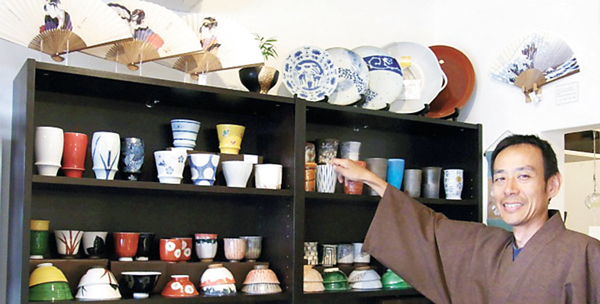
■日本政府希望以調低消費免稅的門檻,吸引旅客多買工藝品。 網上圖片
下文節錄自香港《文匯報》報道:
「日本觀光廳上月22日公佈,計劃降低外國遊客在日本的消費免稅門檻,由現時每人每天每間店舖超過1萬日圓(約632 港元)可免稅8%,下調至不低於5,000日圓(約316 港元),免稅商品種類也由家電、和服等高價商品,擴大至工藝品等『金額不大』的商品,冀增加地方免稅店數目,吸引旅客到三大都市圈以外地區消費。
現行對外國旅客的免稅品分為兩類,一是消耗品如食品、飲料、藥物和化妝品,另一類是消耗品以外的一般商品,觀光廳建議下調免稅門檻的是一般商品。
日本目前1.9萬間免稅商店中,約三分二在東京、名古屋和大阪。購買家電等貨品的結賬金額經常超過1萬日圓,不過在一些地方景點出售的特色商品,如陶瓷和木製工藝品,則較難達免稅門檻,觀光廳希望吸引旅客購買此類商品,推動地方店舖註冊為免稅店。」
各位會如何把這段文字翻譯成英文?
「日本觀光廳上月22日公佈,計劃降低外國遊客在日本的消費免稅門檻,由現時每人每天每間店舖超過1萬日圓(約632 港元),下調至5,000日圓(約316 港元)」:「日本觀光廳」是Japan Tourism Agency;「公佈」可用announce;「降低」或「下調」可以lower 、reduce 表達;「消費」可用purchase 或consumption;「免稅」是tax-free或tax exemption;「門檻」可用threshold。
「免稅商品種類也由家電、和服等高價商品,擴大至工藝品等『金額不大』的商品,冀增加地方免稅店數目,吸引旅客到三大都市圈以外地區消費」:「家電」是electronic appliances;「和服」是kimono;「擴大」可用expand、extend、widen或broaden;「工藝品」可寫作craft goods;「都市圈」可以metropolitan area表達。
「現行對外國旅客的免稅品分為兩類,一是消耗品如食品、飲料、藥物和化妝品,另一類是消耗品以外的一般商品,觀光廳建議下調免稅門檻的是一般商品。日本目前1.9萬間免稅商店中,約三分二在東京、名古屋和大阪」:「消耗品」可寫作consumables;「藥物」可用medicines或drugs;「化妝品」可用cosmetics;「商品」可以goods、merchandise或commodities表示。「東京」是Tokyo;「名古屋」是Nagoya;「大阪」是Osaka。
「購買家電等貨品的結賬金額經常超過1萬日圓,不過在一些地方景點出售的特色商品如陶瓷和木製工藝品,則較難達免稅門檻,觀光廳希望吸引旅客購買此類商品,推動地方店舖註冊為免稅店」:「陶」是pottery;「瓷」是porcelain;「木製工藝品」可表達為woodcraft;「註冊」可用register,名詞是registration。
Japan plans to lower conusmption tax-free threshold
因此全段可英譯如下:The Japan Tourism Agency announced on Aug 22 that it proposed to lower the sales tax-free threshold for foreign visitors. The minimum expenditure required to be exempt from the eight per cent tax would be reduced from the current ¥10,000 (around HKD 632) to ¥5,000 (around HKD 316), at a single shop by one person per day. The scope of duty-free products would extend from expensive items, such as electronic appliances and kimonos, to cheaper products, like craft goods, with an aim to divert tourists out of the three metropolitan areas and so increase the number of tax-free shops in towns and villages.
Current tax-free items for foreign travelers are categorized into two groups: "consumables" including food, drinks, medicines and cosmetics, and non-consumable "general" goods, the latter being the target of the tax change.
Now about two-thirds of Japan's 19,000 tax-free shops are located in Tokyo, Nagoya and Osaka. While purchase of electronic goods often totals over ¥10,000, it is hard for the sales of souvenirs in rural shops, pottery, porcelain, woodcraft goods and the like, to reach the amount. The Agency hopes to encourage more travelers to buy such products and more local stores to register as tax-free shops.■龐嘉儀
隔星期三見報
Q&A
1. 消費稅的英文是?
2. 消費稅是日本政府的其中一項「稅收」,它的英文是?
3. 「瓷器」除了以porcelain表達,還可稱作?
1. Sales tax
2. Tax revenue
3. China
|



 放大圖片
放大圖片



