 放大圖片 放大圖片
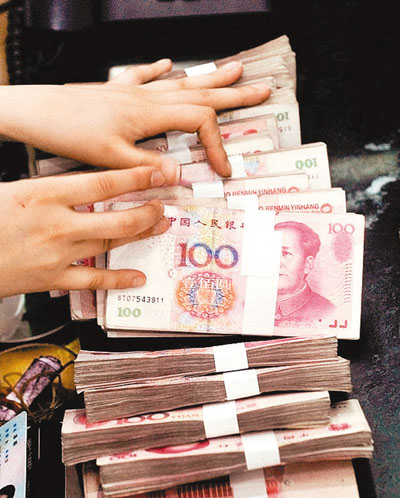
■美國國會中期選舉前夕,大部分參選者刻意將經濟問題與人民幣匯率拉上關係。 資料圖片
葉劉淑儀 立法會議員
美國將於11月2日舉行國會中期選舉。現在美國經濟低迷,失業率高企,奧巴馬政府民望一落千丈,所有候選人都參與「the blame-China game(意即「卸責中國的政治遊戲」)」,把所有經濟問題諉過中國匯率。
美國經濟觀點扭曲
《時代周刊》評論員Zachary Karabell對此不予苟同,撰寫《The Blame-China Game》一文,副題為「Office seekers love it! But faulting China over its currency is misdirected and even dangerous(角逐公職者最愛就匯率問題給中國找毛病,但此舉方向錯誤,甚至相當危險)」。我先節錄其中兩段,和大家一起細嚼其內容和寫作技巧。
The thesis is animating both global economics and domestic politics. Dozens of candidates have run ads assailing an opponent for coddling China and allowing it to take advantage of us. In the election-year view, China grew 10% annually for the past decade while maintaining low inflation only by taking advantage of its artificially low currency. (這個論點帶動著全球經濟和美國政治。一眾候選人大賣廣告攻擊對手,指他們縱容中國從我們《美國人》身上拿好處。從競選的角度看,過去十載中國保持10%的年增長,同時能維持低通脹,完全有賴其刻意壓低的匯率。)
When did we collectively go through the looking glass and end up in this distorted economic universe? The idea that the U.S. is not responsible for its own economic stagnation, housing bubble and unemployment is a black-is-white, up-is-down view that only insecurity can breed.(我們何時集體走進了鏡子裡的世界,得到這個扭曲的經濟觀?「美國毋須為自身的經濟滯緩、房產泡沫和失業問題負責。」這個觀點,顛倒是非黑白,只有不穩定的環境才會產生這樣的想法。)
用連字號自創形容詞
這位作者喜用hyphenated compound adjectives,即把多個英文字用連字號(hyphen)連起來,組成形容詞,有些甚至是自創的。上文的例子包括:「blame-China」(形容把所有問題歸咎中國的做法),「election-year」(用以形容候選人在競選年內,一切以爭取選票為目的),以及「black-is-white, up-is-down」(即顛倒黑白、捨本逐末)。最後一例尤其生動精彩。
Hyphenated compound adjectives的例子有很多。譬如說,第二段的「the looking glass」,字面意思是鏡子,因為鏡中影像和實物左右對調,所以又有和現實相反的意思,由此可組成形容詞looking-glass,例如a looking-glass world。其他常見的例子包括形容政黨路線的left-wing(左翼的)、right-wing(右翼的)和middle-of-the-road(走中間路線的);還有debt-ridden(債台高築的)和crisis-laden(危機四伏的)等等。
下次我們會看看Zachary Karabell怎樣描述美國社會的扭曲經濟觀,以及提出怎樣的反駁。
|


 放大圖片
放大圖片



