 放大圖片 放大圖片
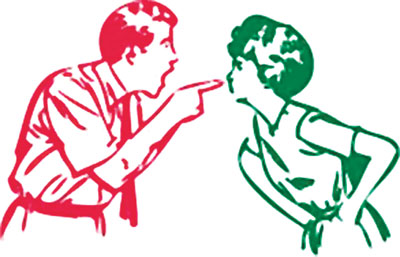
■當人意見不合而情緒激動時,難免會互相指罵。 網上圖片
我城市民近日很煩躁,大家都指罵對方無恥。中文有成語「厚顏無恥」,原來英文也有類似的成語,那便是have plenty of cheek,例如:That young girl had plenty of cheek to claim that she had never asked her parents to bring her to this world, so it was their fault all along(那年輕少女厚顏無恥,聲言她從沒要求她的父母把她帶到這個世界,因此自始至終都是他們的過錯)。
英國作家亨特(Violet Hunt)在小說《家中的名人》(The Celebrity at Home)中這樣描述一個情景:And before George could say what he wanted to say, Mr Cook had opened the door for himself and had gone. I said he had plenty of cheek. George said so, too, and a great deal worse(而在喬治得以說出他想說的話前,庫克先生已給自己打開門離去了。我說他厚顏無恥;喬治也這麼說,但遠不止於此)。
恬不知恥 異曲同工
跟「厚顏無恥」近義的成語有「恬不知恥」,一群大學生便曾這樣痛斥質疑輕視他們的一位前校長兼前局長。英文的慣常說法是have no sense of shame,例如:The more he tries to make excuses for his wrongdoing, the more we feel that he has no sense of shame at all(他愈是替自己所做的壞事辯護,我們愈覺得他完全恬不知恥)。在他的短篇小說中,經常以加州尋金熱(Gold Rush)為題材的美國作家哈特(Bret Harte),在作品《群山一洞中》(In a Hollow of the Hills)有這麼一段內心獨白:He had no pity for man who trusted him; he had no sense of shame in taking advantage of it; he even felt an intellectual superiority in this want of sagacity in his dupe; but he still felt in some way defeated, insulted, shocked, and frightened(他不會憐憫信任他的人;他恬不知恥地利用這點;他對上當受騙者如此欠缺精明練達,甚至會感到智力上的優越感;但他在某方面仍然感到敗北、受辱、震驚和恐懼)。
我們有時很難知道他人是否無恥,但願我們至少要求自己不會淪落到這個地步。 ■余功
逢星期五見報
|



 放大圖片
放大圖片



